Occupational Therapy
6 min read
Featured Article

Every child develops differently. Some children may find everyday tasks like holding a pencil, getting dressed, sitting in class, eating independently or handling loud sounds more difficult than others.
When these challenges start affecting your child’s confidence, learning or daily routine, occupational therapy may help.
What is occupational therapy?
Occupational therapy helps children build the skills they need for everyday life. For children, this may include:
Writing, drawing and using scissors
Buttoning clothes and wearing shoes
Eating with a spoon
Improving balance and coordination
Sitting and participating in classroom activities
Managing reactions to sounds, touch or textures
Becoming more independent in daily routines
Therapy sessions often look like play, but each activity has a purpose.
Signs your child may need an OT evaluation
Parents may consider an occupational therapy evaluation when a child:
Avoids writing, colouring or craft activities
Finds buttons, zips or shoelaces difficult
Frequently drops objects or appears clumsy
Struggles to sit during classroom activities
Dislikes haircuts, nail cutting or toothbrushing
Reacts strongly to loud sounds or certain clothes
Constantly jumps, spins or seeks movement
Needs extra help with feeding, dressing or self-care
One sign alone does not mean your child needs therapy. The important question is whether the difficulty is regularly affecting daily life.
What happens during an OT assessment?
The therapist first speaks with the parent about the child’s routine, strengths and concerns.
The child may then take part in simple play-based activities involving:
Blocks and puzzles
Pencil and scissor skills
Balance and movement
Sensory play
Dressing or feeding tasks
After observing the child, the therapist explains which areas may need support and suggests suitable goals.
What does a therapy session look like?
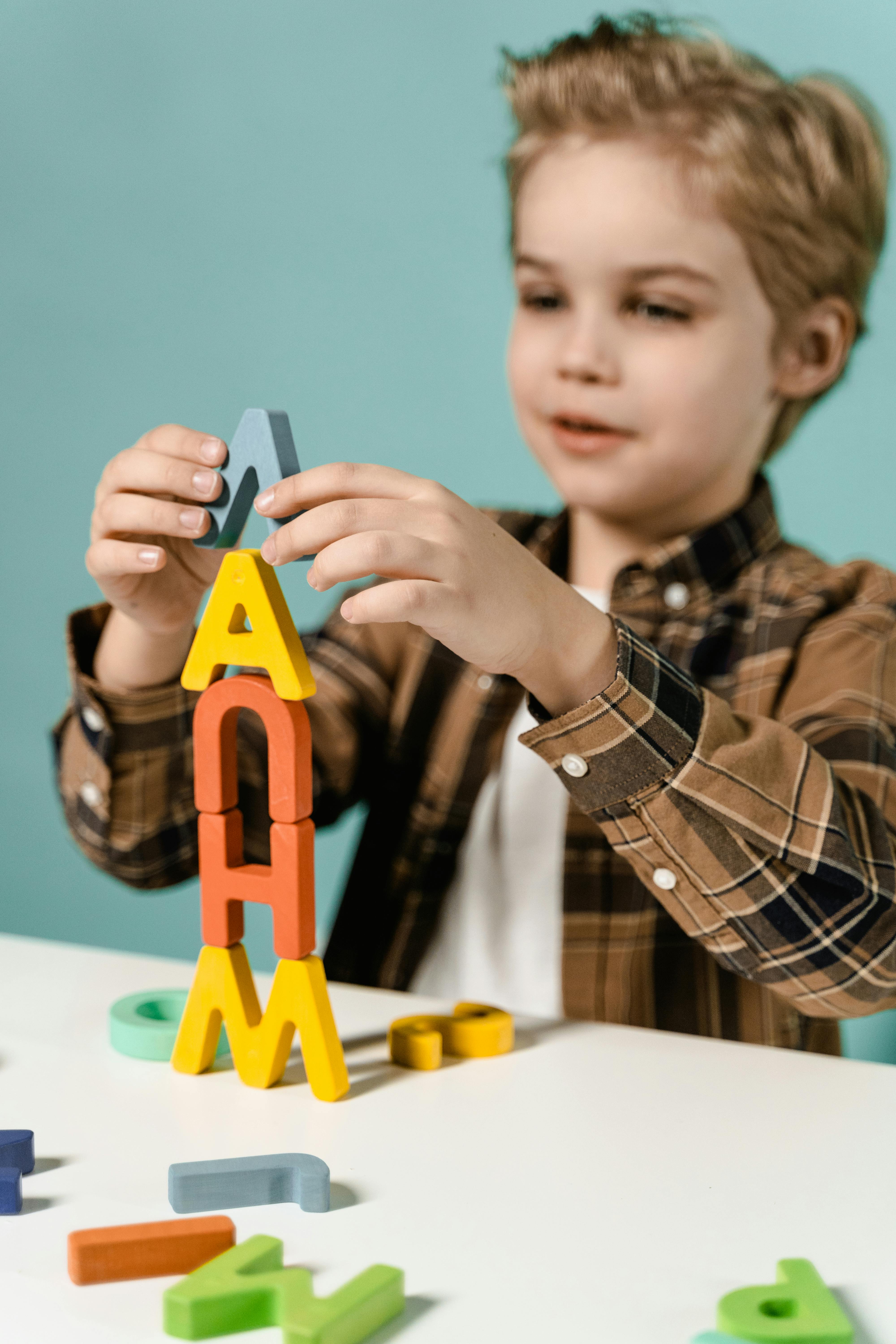
A session may include stacking blocks, threading beads, using clay, practising handwriting, completing puzzles or working on dressing and feeding skills.
For children with sensory difficulties, the therapist may also use movement, touch or calming activities to help the child feel more comfortable and focused.
How can parents help?
Parents do not need to conduct formal therapy at home. Small daily activities can support progress.
Encourage your child to:
Help with dressing
Open lunch boxes
Sort toys
Use crayons and play dough
Pour water
Carry light objects
Take part in simple household tasks
Praise effort instead of expecting perfection.
Occupational therapy at Little Miracles
Little Miracles Autism & Child Development Centre provides occupational therapy for children in Seethammadara, Visakhapatnam.
Therapy is planned according to each child’s individual needs, with a focus on fine-motor skills, sensory regulation, school participation, self-care and independence.
Concerned about your child’s development? Book an occupational therapy evaluation and understand what kind of support may be helpful.
Related Therapy Service
Occupational Therapy
Boosting sensory, motor and self‑care skills for everyday independence.